

The Sustained Growth of the Green Industry
The landscape of environmental responsibility is shifting rapidly, turning what once was a niche movement into a core pillar of the global economy. As communities and businesses face the challenges of a changing climate, prioritizing sustainable methods of development has become an absolute necessity. We recognize that adopting eco-friendly practices is no longer just an ethical choice but a strategic pathway toward long-term ecological preservation and economic vitality. By investing in the cultivation of natural resources and enhancing urban green spaces, society lays the groundwork for a healthier, more resilient planet.
Understand the Historical Context of the Green Industry
The foundations of modern environmental awareness were established in the early 20th century when industrialization began to alter natural ecosystems significantly. Early conservationists worked tirelessly to raise public consciousness regarding the adverse effects of unchecked resource extraction. As society slowly recognized the long-term impacts of human activities, the demand for structured, sustainable practices started gaining momentum. This early shift in public perception served as the primary catalyst for what we now recognize as the green industry.
Environmental legislation quickly emerged as a crucial mechanism to address these growing ecological concerns during the mid-20th century. Key legislative acts established the necessary legal frameworks for mitigating environmental damage, giving organizations a clear scaffold for sustainable development. Stringent regulations compelled businesses to innovate, ensuring their operational methods aligned with new environmental guidelines. This structural support from governing bodies underscored a collective commitment to preservation and played a vital role in industry growth.
Early pioneers in ecological design further proved that environmentally friendly alternatives could be both viable and economically beneficial. Their groundbreaking work in resource conservation established essential blueprints for future technological and agricultural advancements. Over time, public advocacy campaigns educated individuals and pressured corporations to adopt responsible corporate policies. This widespread societal shift towards environmental stewardship incentivized massive investments, successfully moving sustainable practices from the margins into the mainstream commercial market.
Analyze Key Drivers of Growth
Technological innovations sit at the absolute heart of the green industry's ongoing expansion. Breakthroughs in cultivation techniques, resource management, and solar applications have made sustainable systems more accessible and affordable than ever before. These advancements optimize operational efficiency while significantly reducing the global carbon footprint. As technology continues to evolve rapidly, it opens up unprecedented opportunities for managing living infrastructure and enhancing ecological resilience.
Government policies and financial incentives also act as critical catalysts for sustained industry growth. Subsidies, tax benefits, and updated regulatory frameworks encourage both residential and commercial sectors to adopt eco-friendly infrastructure. Many regions have committed to ambitious climate goals, prompting localized initiatives that favor green spacing and reforestation. By fostering an environment conducive to sustainable development, these policy frameworks effectively reduce the financial hurdles associated with ecological updates.
Concurrently, consumer demand for sustainability has shifted market dynamics in a profound way. More informed and environmentally conscious citizens are actively choosing products and services that align with verified green practices. This clear market preference forces companies across all sectors to evaluate their supply chains and reduce their environmental impact. In response to this growing demand, specialized operations like tree nurseries have become vital in supplying the high-quality plant material needed for modern urban forestry.
Explore Major Industry Segments
Renewable energy and green building construction remain cornerstones of this economic transformation, but living infrastructure is equally critical. Sustainable agriculture and managed tree nurseries play a pivotal role in supporting global reforestation and urban cooling initiatives. According to a report by Proficient Market Insights, the worldwide tree nurseries market is projected to expand from a valuation of USD 32,476.7 million in 2026 to USD 43,895.02 million by 2035, achieving a steady compound annual growth rate of 3.41%. This significant economic expansion highlights the escalating global demand for high-quality, strategically cultivated plant material.
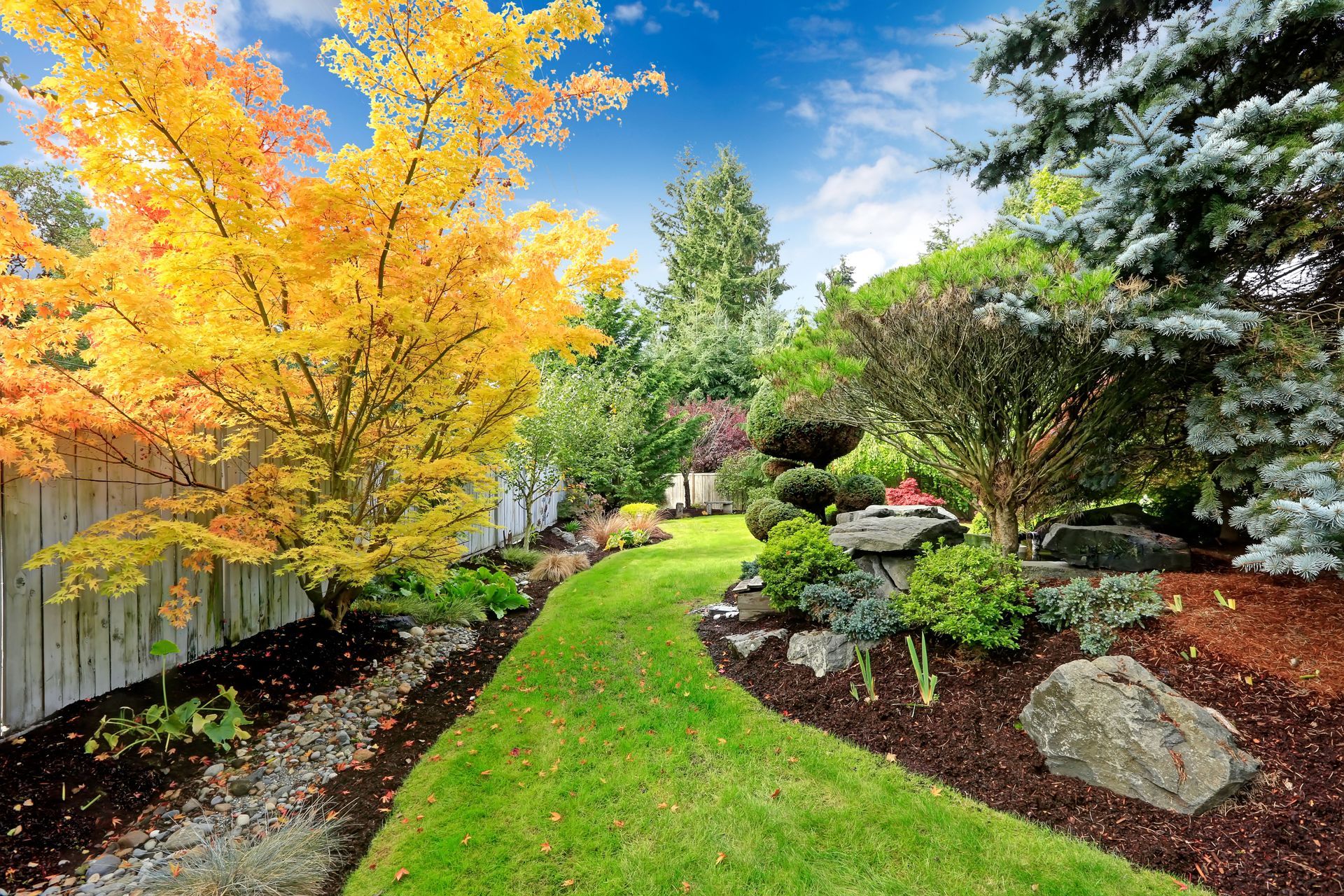
Our operational focus within this expanding market involves cultivating diverse botanical varieties designed to enhance architectural and natural landscapes. From robust deciduous trees that provide expansive canopy coverage to large shade trees engineered for urban heat reduction, our inventory meets rigorous environmental standards. We specialize in producing small ornamental trees and topgrafted patio trees that elevate smaller spaces, alongside edible fruit trees that support localized food security. Our diverse selections also include hardy conifers, large conifers, and small conifers tailored for year-round structure.
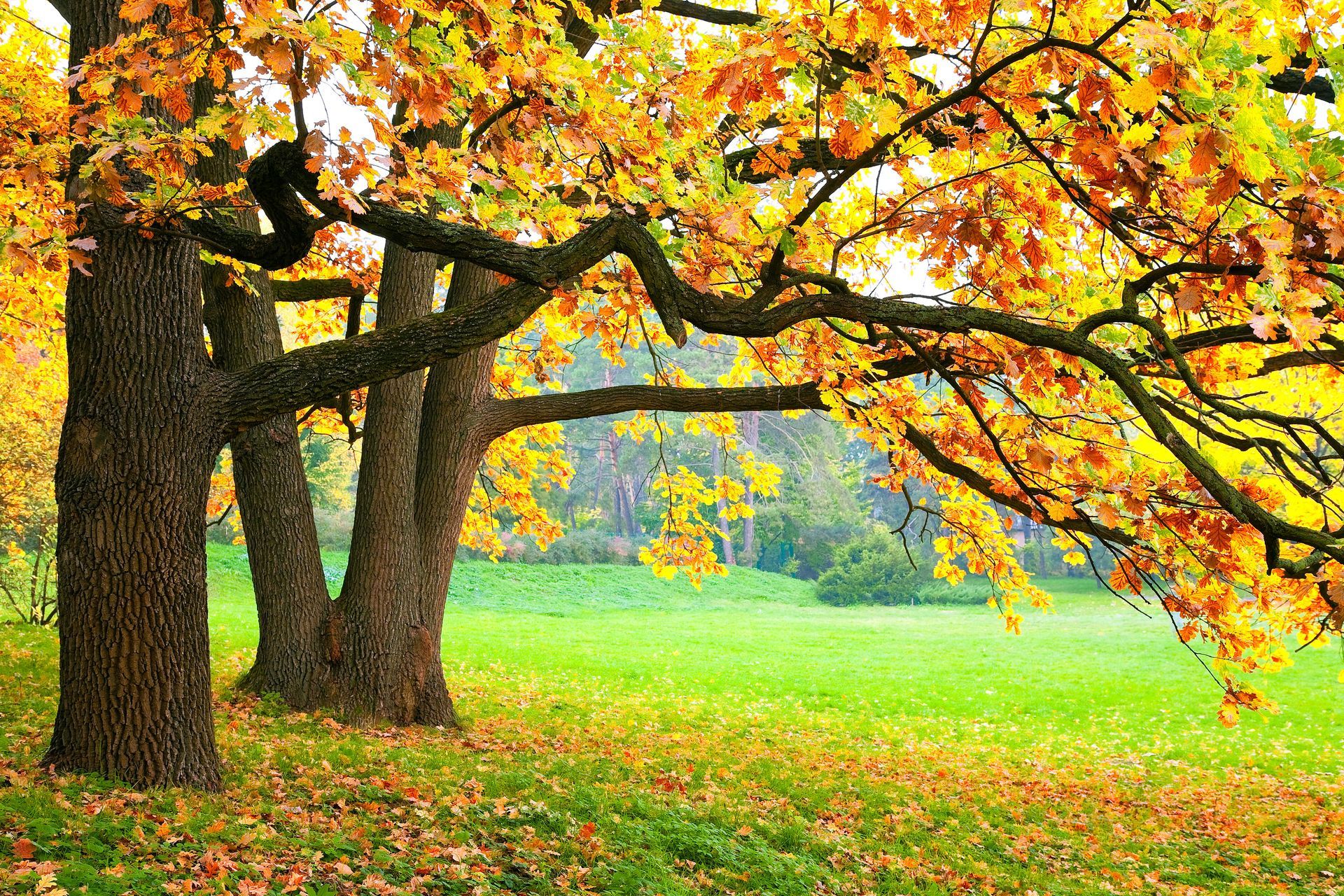
To meet specific design demands, we focus heavily on cultivating specific-use trees, indigenous trees, and varieties selected for their brilliant autumn colors. Managed tree nurseries provide the essential foundation for these varieties, ensuring they are grown under optimal conditions before permanent installation. By supplying everything from expansive shade trees to specialized patio art, professional tree nurseries ensure that private and public properties benefit from enhanced biodiversity and structural beauty.
Confront Current Market Challenges
Economic barriers and high upfront costs represent significant challenges for widespread green adoption. Initial investments for large-scale sustainable installations or mature plant material often require substantial capital up front. While long-term environmental and economic savings are undeniable, these initial expenditures can pose a daunting hurdle for municipal planners and property owners. Addressing these economic barriers requires providers to offer competitively priced solutions that do not compromise on structural quality.
Regulatory inconsistencies across different municipalities can also create logistical complexities for large-scale environmental projects. Land use policies and zoning laws often lag behind current ecological innovations, restricting the agile growth required for modern green integration. Overcoming these hurdles requires active collaboration between experienced horticulturalists, landscape architects, and local planning committees. Establishing standardized guidelines ensures that community-wide planting initiatives can proceed efficiently and without unnecessary delays.
Public misconceptions regarding the care and survival rates of mature botanical installations can further deter project momentum. Many buyers express concern over the logistical difficulties of transporting and establishing large specimen-grade trees in new environments. Professional tree nurseries mitigate this issue by providing direct transplanting and delivery available for complex installations. By handling the delicate transportation process internally, commercial tree nurseries ensure high survival rates and alleviate the logistical stress often associated with major landscaping transformations.
Anticipate Future Trends
The future of the green industry relies heavily on integrating emerging technologies with time-tested cultivation methods. Advanced soil management, automated irrigation, and precision tracking systems are redefining how commercial tree nurseries monitor plant health. These innovations enhance growth efficiency, lower operational waste, and ensure higher quality outputs across all plant categories. Investing in these modern systems allows producers to meet the escalating demands of an environmentally conscious market.
Predicted economic trends indicate that green investments will remain a top priority for corporate and governmental entities alike. Global commitments to net-zero carbon targets create a highly favorable landscape for large-scale reforestation and urban forestry projects. This sustained focus ensures a stable, long-term market for specialized botanical products and professional transplanting services. As green financing mechanisms become more mainstream, funding for massive environmental infrastructure projects will continue to unlock new opportunities.
As we look ahead, the continued evolution of the green market promises a world where economic models inherently protect the earth's natural assets. Cultivating living infrastructure is the most effective way to ensure that future generations inherit a vibrant, stable environment. Our team in Fond du Lac, Wisconsin, remains dedicated to fueling this green expansion by providing the exceptional botanical resources needed for impactful, lasting landscape transformations.
We invite you to explore how our extensive selection of large specimen-grade trees can elevate your next environmental or commercial project. Connect with Midpark Nurseries, Inc today to secure premium plant material and utilize our specialized direct transplanting and delivery services.




Share On: