

5 Tips on Choosing the Right Trees for Your Yard
Selecting the right trees for your yard is more than just a matter of aesthetics. Trees can provide shade, boost your property value, support local wildlife, and even contribute to better air quality. However, choosing the wrong type can lead to ongoing maintenance headaches, overcrowding, or unsightly growth patterns. With so many options available at tree nurseries, making the right choice requires careful planning and consideration.
Every yard is unique, with varying amounts of sunlight, soil quality, and space for growth. Whether you are planting a small ornamental tree to accent your garden or a large shade tree to provide cooling for your home, understanding the specific characteristics and needs of each species is essential.
1. Consider the Size and Growth Rate
When selecting trees, one of the most important factors is their eventual size and growth rate. Large shade trees can provide significant cooling and a majestic aesthetic, but they also require ample space to grow. Trees planted too close to homes, fences, or driveways can cause root damage or block sunlight, leading to frustration down the road. Visiting local tree nurseries can help you explore mature sizes and understand how quickly different species reach them.
Small ornamental trees, on the other hand, are ideal for limited spaces or for creating focal points in your landscape. They typically grow slowly and have visually striking features such as colorful flowers, attractive bark, or unique leaf shapes. Choosing ornamental trees that complement your home’s style and existing garden layout can create a cohesive, inviting look.
Growth rate also matters for long-term planning. Fast-growing trees offer quicker results but may be weaker or prone to disease, while slow-growing trees are generally sturdier and can provide longevity. According to LawnStarter, it takes around 20 to 30 years for most trees to mature to their full size. Keeping this timeline in mind ensures you select trees that meet both your immediate desires and long-term landscaping goals.
2. Focus on Native Species
Planting native trees offers numerous benefits for homeowners and the surrounding environment. Native species are adapted to the local climate, soil, and pests, which reduces the need for extensive care, fertilizers, or pesticides. Additionally, these trees support local wildlife, including birds, bees, and beneficial insects, contributing to a balanced and thriving ecosystem.
Tree nurseries often carry a variety of native options that are suitable for residential yards. By selecting trees native to your region, you can minimize water usage and maintenance while still enjoying healthy, vibrant growth. Native trees also tend to be more resilient in extreme weather, helping your yard withstand droughts, storms, or unexpected temperature shifts.
For homeowners who want a sustainable and eco-friendly yard, native trees are an excellent choice. They blend seamlessly with the landscape, encourage biodiversity, and often provide seasonal interest, such as vibrant fall foliage or flowering periods that attract pollinators. By prioritizing native species, you invest in the long-term health of your yard and the broader environment.
3. Decide Between Edible and Ornamental Trees
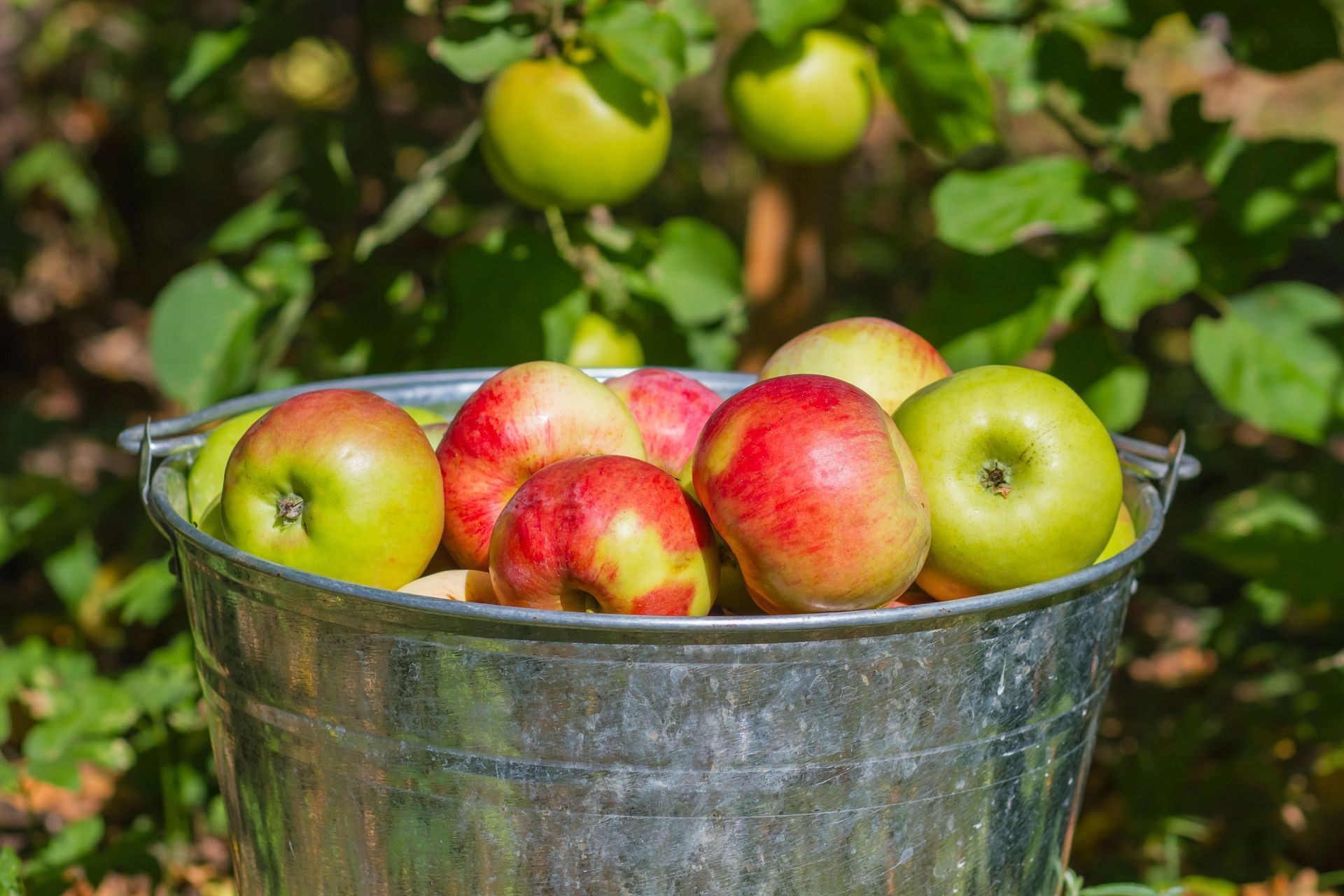
Another key consideration is whether you want trees that produce fruit or simply add visual appeal. Edible trees, such as apple, pear, or cherry trees, can be a rewarding addition to any yard. They provide fresh produce, encourage outdoor activity, and can even attract beneficial wildlife. When selecting edible trees from tree nurseries, it’s important to consider pollination requirements, sunlight needs, and the maintenance involved in pruning and harvesting.
Small ornamental trees, such as dogwoods or Japanese maples, are primarily planted for their beauty rather than functionality. They often serve as accents to flower beds, patios, or pathways and can dramatically enhance the overall aesthetics of your landscape. These trees require minimal space and usually demand less maintenance than fruit-bearing trees, making them ideal for homeowners who want charm without additional work.
Ultimately, the decision between edible and ornamental trees depends on your lifestyle and yard goals. If you enjoy gardening and fresh produce, fruit trees can provide a delicious and practical reward. For those focused on landscaping and curb appeal, ornamental varieties offer elegance and variety without the extra labor. Visiting local nurseries allows you to see these options firsthand, compare sizes, and receive expert guidance for the best fit.
4. Evaluate Conifer Options
Conifer trees, whether small or large, are a versatile addition to many landscapes. Large conifers like pines, spruces, or firs provide privacy, serve as windbreaks, and maintain year-round greenery. They are an excellent choice for homeowners looking to create a natural barrier, add visual depth, or establish a forested feel in their yard. However, large conifers need adequate spacing, careful placement, and ongoing maintenance to ensure healthy growth.
Small conifers, such as dwarf spruces, junipers, or small pines, are perfect for compact yards, rock gardens, or decorative borders. Their evergreen nature ensures your yard maintains color, structure, and visual interest throughout all seasons. Small conifers are especially appealing for homeowners seeking low-maintenance landscaping options that still provide elegance and texture.
When selecting conifers from tree nurseries, it’s important to consider both the mature size and growth habits. Some conifers grow quickly and may need more pruning, while others develop slowly but offer long-term stability. Understanding the space available and how these trees interact with sunlight, soil, and other plants will help you make informed decisions for a healthy and aesthetically pleasing landscape.
5. Check Soil, Sunlight, and Maintenance Needs
Before planting any tree, it’s crucial to assess your yard’s soil, sunlight, and ongoing maintenance requirements. Different species thrive in different conditions, so matching a tree to its environment increases its chances of healthy growth and longevity. Some trees prefer full sun, while others flourish in partial shade. Similarly, certain species require well-drained soil, while others tolerate wetter or heavier soils.
Visiting tree nurseries can provide valuable insight into species-specific care requirements. Nursery staff can advise on proper planting techniques, fertilization schedules, and pruning practices to ensure long-term success. Considering maintenance needs also helps prevent common problems such as overcrowding, disease, or root interference with hardscaping.
Finally, factor in seasonal care, leaf drop, and irrigation needs. Some trees are low-maintenance and require minimal attention, while others may demand regular pruning, fertilizing, or pest management. By matching tree selection to your available time and resources, you can enjoy the benefits of a vibrant, healthy yard without unnecessary stress. Using guidance from nurseries ensures you make informed choices that suit both your lifestyle and landscape goals.
Choosing the right trees for your yard involves careful planning, research, and consideration of both immediate and long-term needs. From large shade trees to small ornamental species, edible fruit trees, and conifers, the options are vast, but understanding your yard’s unique characteristics will help narrow your choices. Nurseries allow homeowners to see specimens firsthand, gain professional advice, and select trees that will thrive in their specific environment.
By evaluating factors such as size, growth rate, native versus non-native species, edible versus ornamental options, and maintenance needs, you can create a diverse and balanced landscape that enhances your home’s beauty, functionality, and sustainability. Proper tree selection pays off not only aesthetically but also in terms of property value, environmental contribution, and long-term enjoyment. With careful planning and the right guidance, every yard can become a vibrant, thriving haven for years to come.
Tree nurseries are invaluable resources for finding the perfect match for your yard. By leveraging their expertise, you can ensure your choices are well-suited to your soil, climate, and space. Trees are long-term investments that grow alongside your home, offering beauty, shade, and practical benefits for decades.
When you're looking for tree nurseries that offer beautiful, vibrant trees, look no further than Midpark Nurseries, Inc. Visit us today for healthy, high-quality options to bring your landscape vision to life.



Share On: